
Keynote Speaker
Dr. Milad Malekzadeh, University of Helsinki
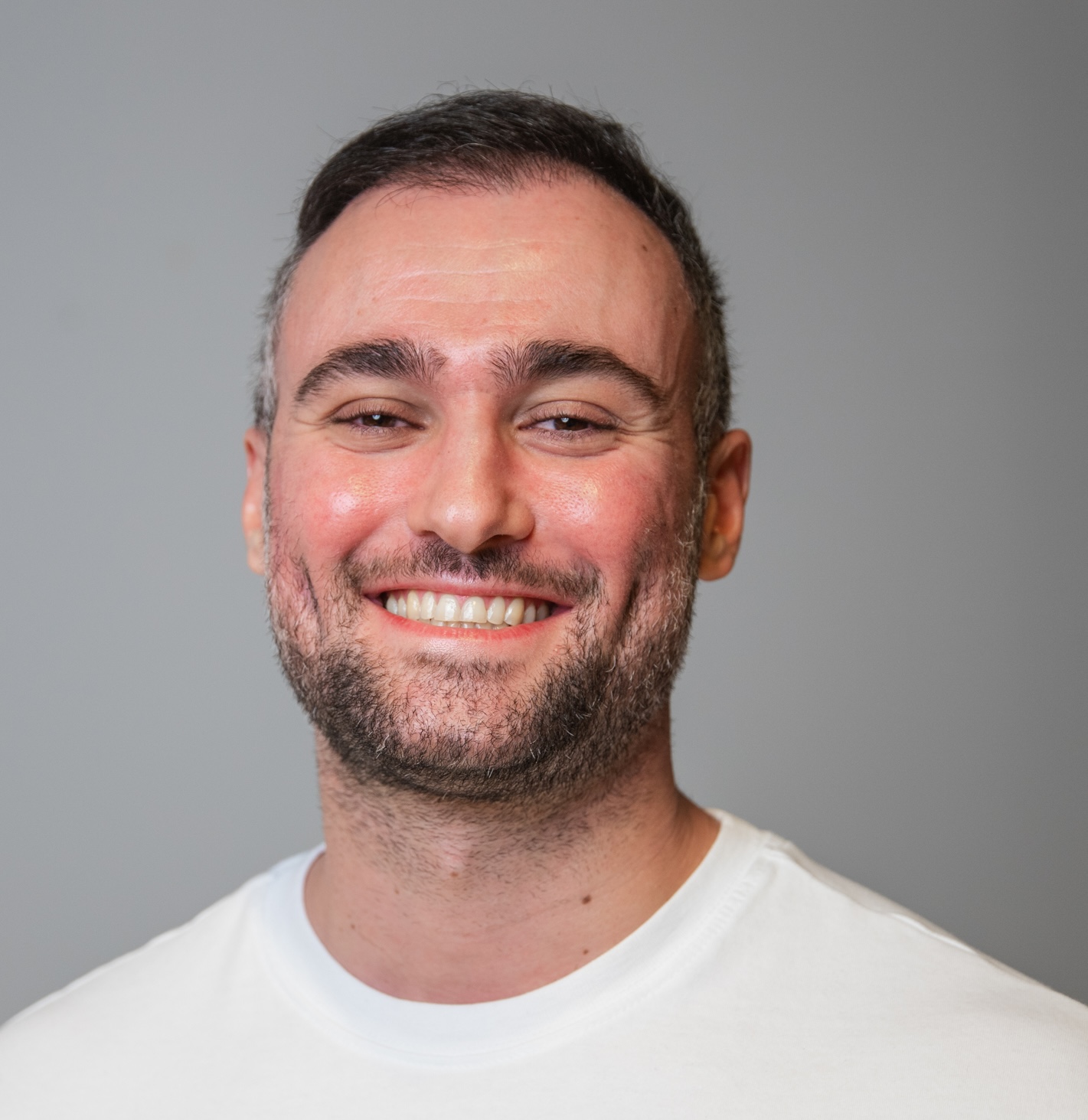
"What Comes After Big Mobility Data? Openness, Standards, and Collective Stewardship"
Abstract:
Over the past two decades, researchers have collected an unprecedented volume of fine-grained human mobility data, particularly through GPS tracking studies. Yet most of these datasets remain fragmented, inaccessible, and difficult to reuse, limiting their scientific value and slowing cumulative progress in big mobility data analytics. In this keynote, I argue that the next step for the field is not only better models or larger datasets, but a fundamental shift toward openness, accessibility, and collective governance of research-driven mobility data. Drawing on empirical examples from my own work and insights from a systematic review of GPS-based mobility studies, I first outline why data sharing in human mobility research is both necessary and timely, scientifically, ethically, and methodologically. I then introduce the vision behind the MobilityBank platform, formerly known as OpenGPS, which aims to support the full lifecycle of human mobility data. Beyond enabling researchers to find, store, share, and process datasets, the platform aspires to standardize data collection protocols, processing pipelines, and even conceptual definitions in a flexible and evolving manner. The talk also critically reflects on the challenges such an infrastructure faces, including privacy protection, ethical governance, incentives for data sharing, technical heterogeneity, and long-term sustainability. Finally, I propose the idea of a human mobility research collective, where stewardship of shared data infrastructure is driven by the community itself rather than any single institution or stakeholder. I conclude by discussing how such a collectively governed mobility commons could accelerate discovery, improve reproducibility, and better align big mobility data analytics with public-interest research goals.
Bio:
Milad is a postdoctoral researcher at the University of Helsinki working at the intersection of human mobility, urban analytics, and data ethics. His research focuses on understanding why people move, how different types of mobility shape regional and urban attractiveness, and how emerging data sources can be used responsibly in mobility research. Beyond empirical analysis, his work critically engages with questions of openness, reproducibility, and governance in big mobility data analytics. He has led and co-authored multiple methodological and conceptual studies on GPS-based mobility data, large-scale mobility patterns across Europe, and ethical frameworks for geoprivacy. He is also leading the MobilityBank (formerly OpenGPS) initiative, which aims to make researcher-collected human mobility data more open, standardized, and collaboratively governed.